Aspley’s housing age and its position near Cabbage Tree Creek shape the jobs we see most. Here’s what tends to go wrong, and why.
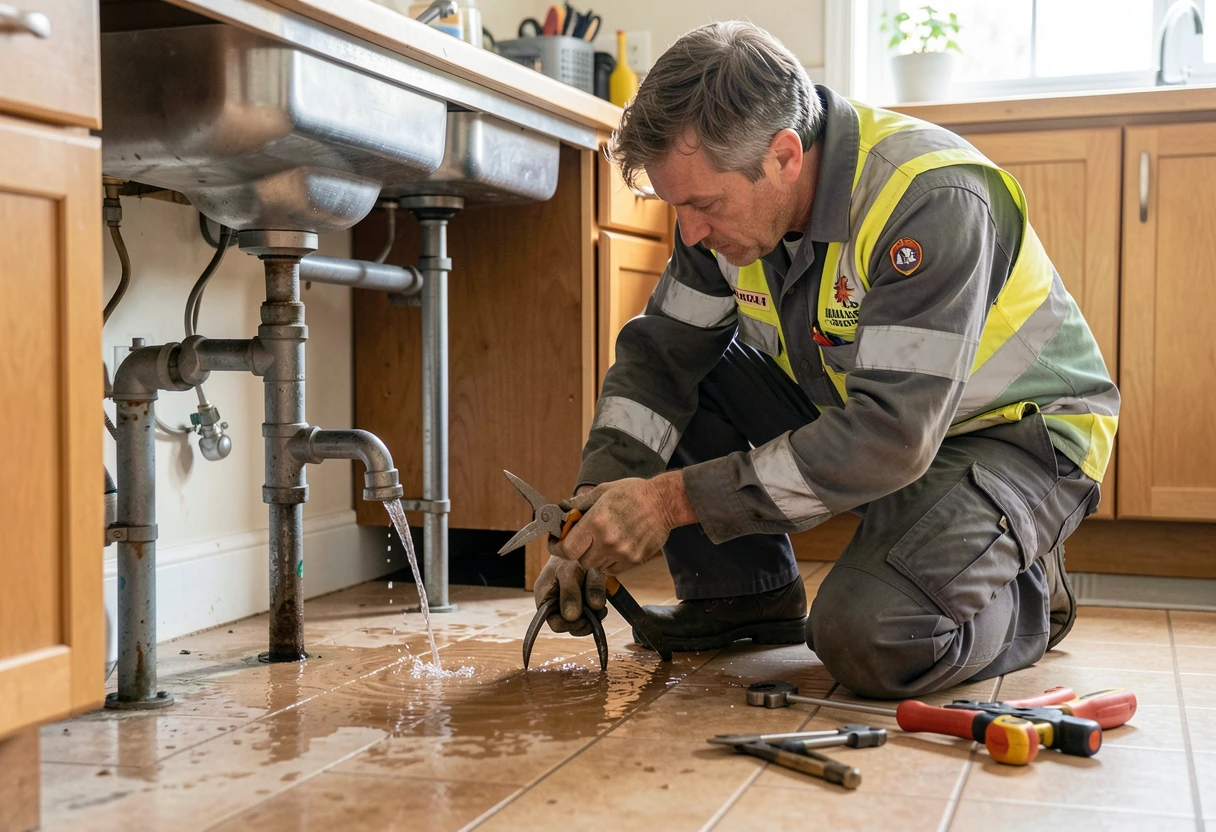
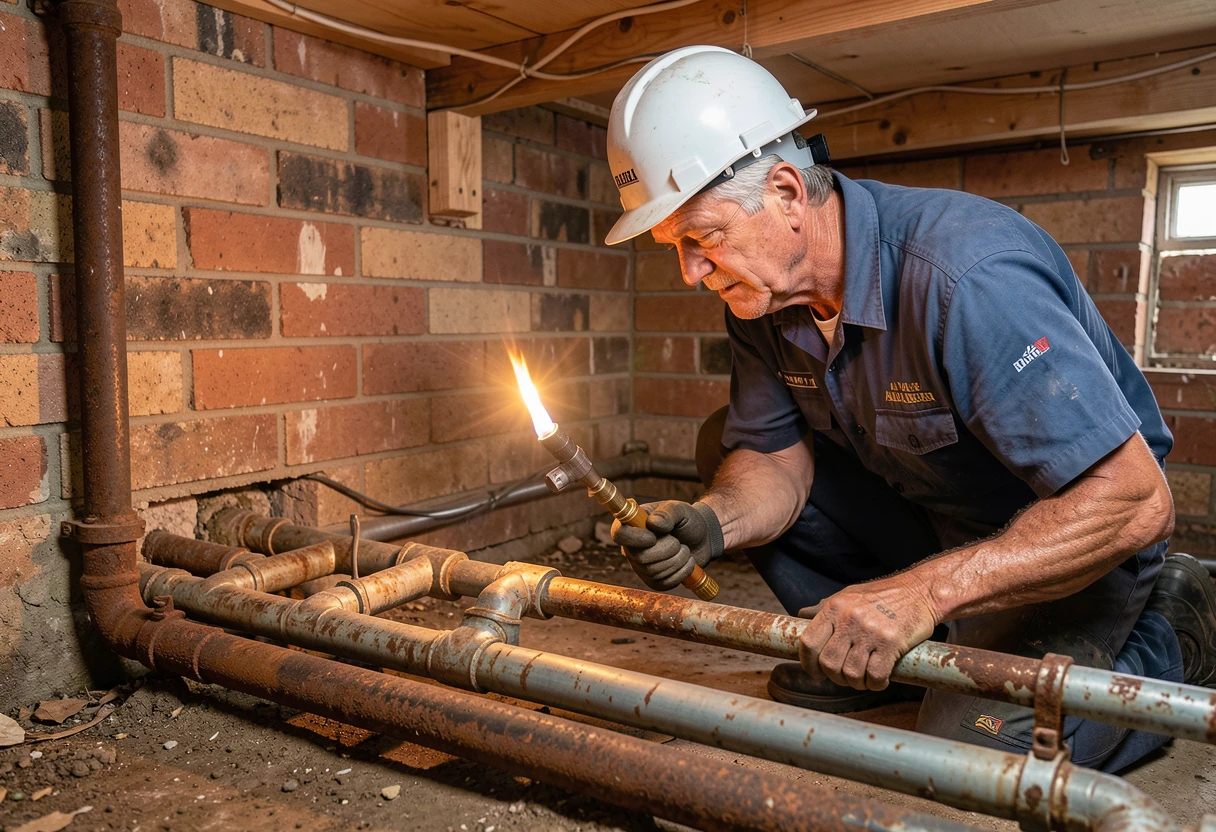
Because so much of Aspley was built out in the 1960s and 70s, a lot of homes still run on original galvanised water pipe and clay or earthenware sewer lines. Galvanised pipe corrodes from the inside over decades, narrowing the bore and dropping your water pressure, while clay sewer joints crack and let tree roots in — a major cause of the recurring blocked drains we clear across the suburb.
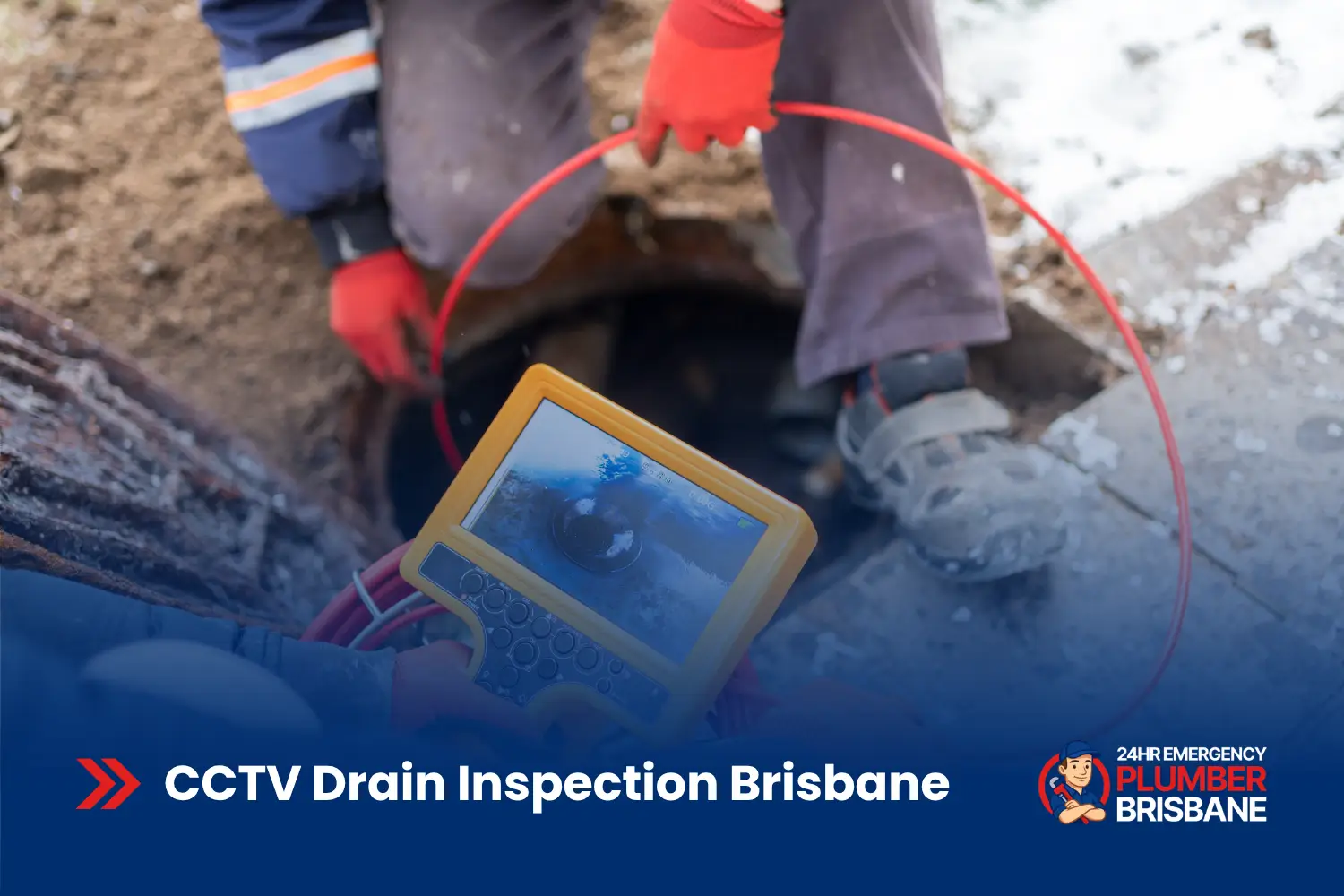
Aspley is an established, leafy suburb with mature street trees around Marchant Park and the older residential streets off Gympie Road. Those roots are relentless through autumn and winter, working into any small crack in an ageing drain. We use CCTV camera inspection to find exactly where roots are getting in, then high-pressure jetting or no-dig pipe relining to fix it properly rather than just clearing it to come straight back.
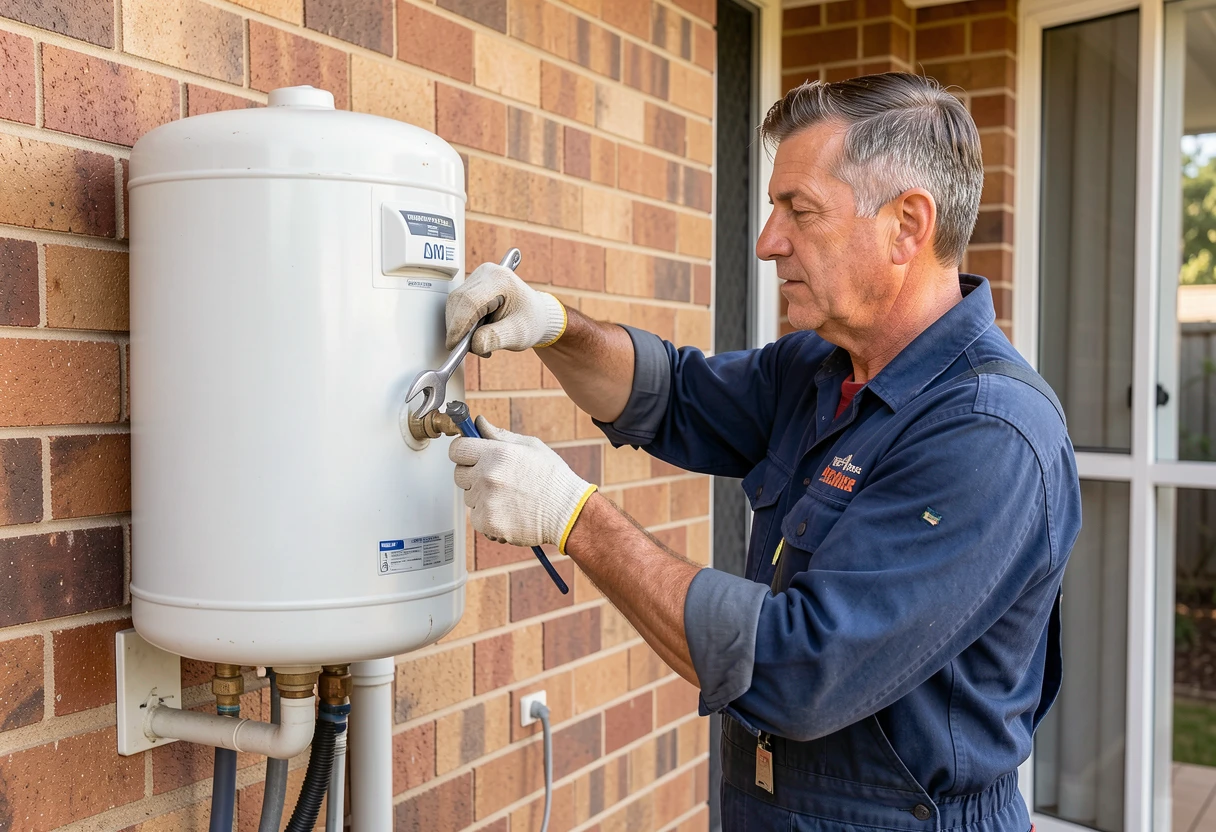
The suburb sits just south of Cabbage Tree Creek and Little Cabbage Tree Creek, and while much of Aspley is flat, the low-lying pockets can struggle to shed water in a Brisbane downpour — that’s when we’re called for blocked stormwater drains, overwhelmed pits and surface flooding. And in homes with 40- and 50-year-old systems, a sudden hot water failure or leaking tank is one of the most common after-hours calls we take.